Data is power. We return it to the people.
At Great Machine United (GMU), we believe digital rights must match physical rights. Through United Commons, Gabriel AI, Vision 64 and Hashtag Coin (HTC), we give communities control over their data — and a fair share of the value it creates.
Choice, not captivity

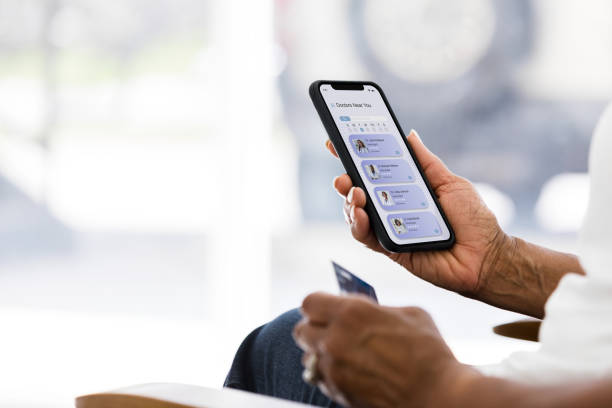
You decide what to share. Gabriel AI’s encrypted framework lets users trade or withhold data at any time. Importantly, participation remains voluntary and opt-in. In practice, this means:
- Residents register as verified digital citizens using privacy-first identity checks.
- They then choose which data streams to allow — health metrics, mobility signals, energy use, or anonymous behavioural insights.
- Gabriel stores consent on a tamper-resistant ledger. You can revoke permission instantly.
Consequently, people keep agency. They retain the right to privacy and to benefit from shared insights.
Earn while you share — HTC for value
When users opt in, GMU rewards them with Hashtag Coin (HTC). We pay tokens for anonymised, aggregated insights that improve services. For example, a community that shares water-usage patterns may earn HTC credits. Those credits cover energy bills, school fees, or bot-leasing for local microservices.
Moreover, HTC links to real commodities through the London Metal Exchange. In short, the token ties digital rewards to real economic value. This approach helps communities convert data into reliable, useful resources.
Access, not exclusion
Every verified digital citizen gains practical benefits. Once verified, individuals can access:
- Gabriel AI assistance for healthcare triage, education and job matching.
- Free educational content and adaptive learning pathways.
- Local job platforms that match skills to verified gig work and GMU microservice roles.
Therefore, data sharing becomes a path to opportunity. People learn, work and earn without losing control over their identities.
Privacy by design — technical safeguards
We build privacy into every layer. Gabriel AI runs on secure edge nodes to limit central exposure. We use zero-knowledge proofs to verify facts without revealing raw data. In addition, blockchain anchors record consent and HTC flows. These safeguards make data transactions auditable and accountable.
Furthermore, we open parts of our code and audit logs to trusted third parties. Independent auditors may verify that no personal identifiers leave a community without explicit consent.
Real pilots, real results
Our pilots show how digital sovereignty works at scale:
- In Egypt, verified patients used Gabriel-assisted EHR tools while retaining control of their records. Hospitals saw faster diagnosis. Meanwhile, patients earned HTC credits for consenting to anonymised research.
- In West Africa, villagers shared crop and water data. Gabriel optimised irrigation schedules. As a result, farmers earned HTC that paid for solar pump maintenance.
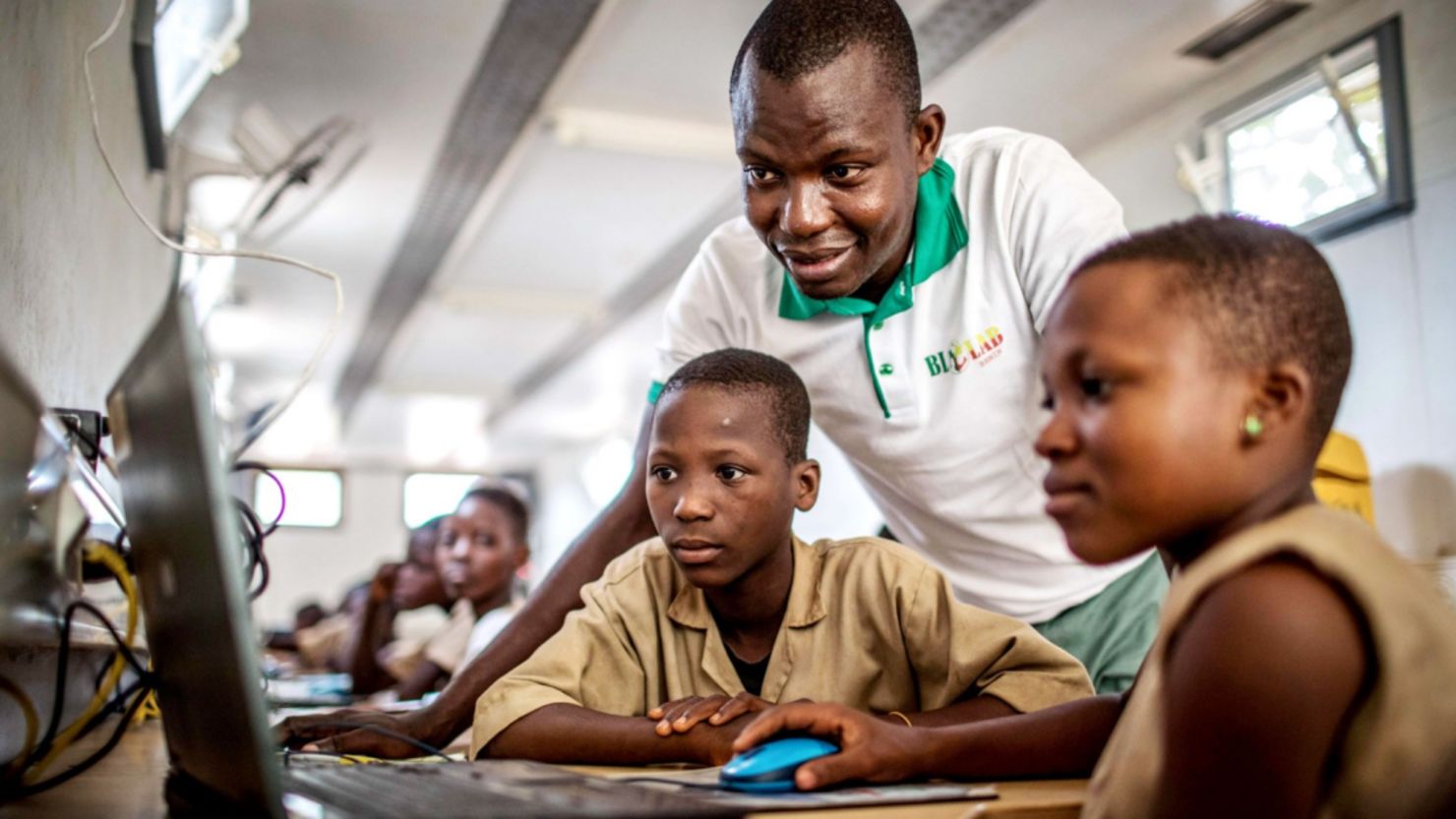
- Across pilot towns, verified digital citizens received free learning modules and job referrals through Gabriel’s local portals.
These cases validate our claim: communities can both protect privacy and capture value.
Post-national identity — practical, not political
GMU supports a practical model of cross-border digital identity. We do not seek to replace national citizenship. Instead, we offer a verified digital citizen status. This portable identity helps people access services across GMU’s networks while remaining subject to local laws.
In short, the system enables mobility of opportunity without eroding national sovereignty.
Governance and local control
We insist that communities govern their data. Each project installs a local oversight board. Boards set sharing rules, monitor HTC flows, and manage payouts. Moreover, Gabriel provides read-only dashboards tailored to local leaders. This transparency helps communities audit activity and contest decisions.
Finally, GMU trains local teams to run the systems. We transfer operational control as projects mature. In other words, we build to hand over.
How to become a verified digital citizen
If you represent a community, clinic or municipality, here’s how to start:
- Request a United Commons feasibility review.
- Set participation rules with community leaders.
- Launch a pilot with Gabriel edge nodes and HTC crediting.
A fair digital economy
Data should not feed only distant platforms. Instead, it should finance local services, education and health. By returning value and control to users, GMU builds a model of digital sovereignty that scales.
Through Gabriel AI, Vision 64 and HTC, we give people a choice: keep your data private, or share it on your terms and earn. Either way, your rights come first.