Healthcare today fails at two linked problems. First, systems diagnose and treat too late. Second, access remains uneven—especially in remote and underserved regions. United Vitalis, Great Machine United’s health arm, addresses both with a software-defined clinical stack that pairs Gabriel AI with robotic medical systems, predictive models and decentralised clinics. In short, we combine compute, sensors and secure data flows to deliver care at the point of need.
This article explains the architecture and engineering behind that stack. It covers the Gabriel Diagnostics Platform, TX-Series Medical Units, predictive healthcare models, remote Gabriel Pods, and post-human care. It also describes standards, safety measures, and deployment patterns. The aim is to show how United Vitalis turns scientific capability into resilient, regulated healthcare solutions.
A systems view: why integrated AI and robotics matter
Medical decisions require fast, accurate synthesis of many data types: genomics, imaging, clinical notes, wearable telemetry and population signals. Human clinicians can do this, but scale is hard. Conversely, narrow automation lacks clinical context. Our approach integrates distributed sensor networks, federated data, and a central cognitive layer—Gabriel AI—that runs validated biomedical models. Meanwhile, local edge controllers in TX units execute time-critical tasks with deterministic guarantees. This separation of concern yields low latency, high assurance, and local sovereignty.
Gabriel Diagnostics Platform — data, models, deployment

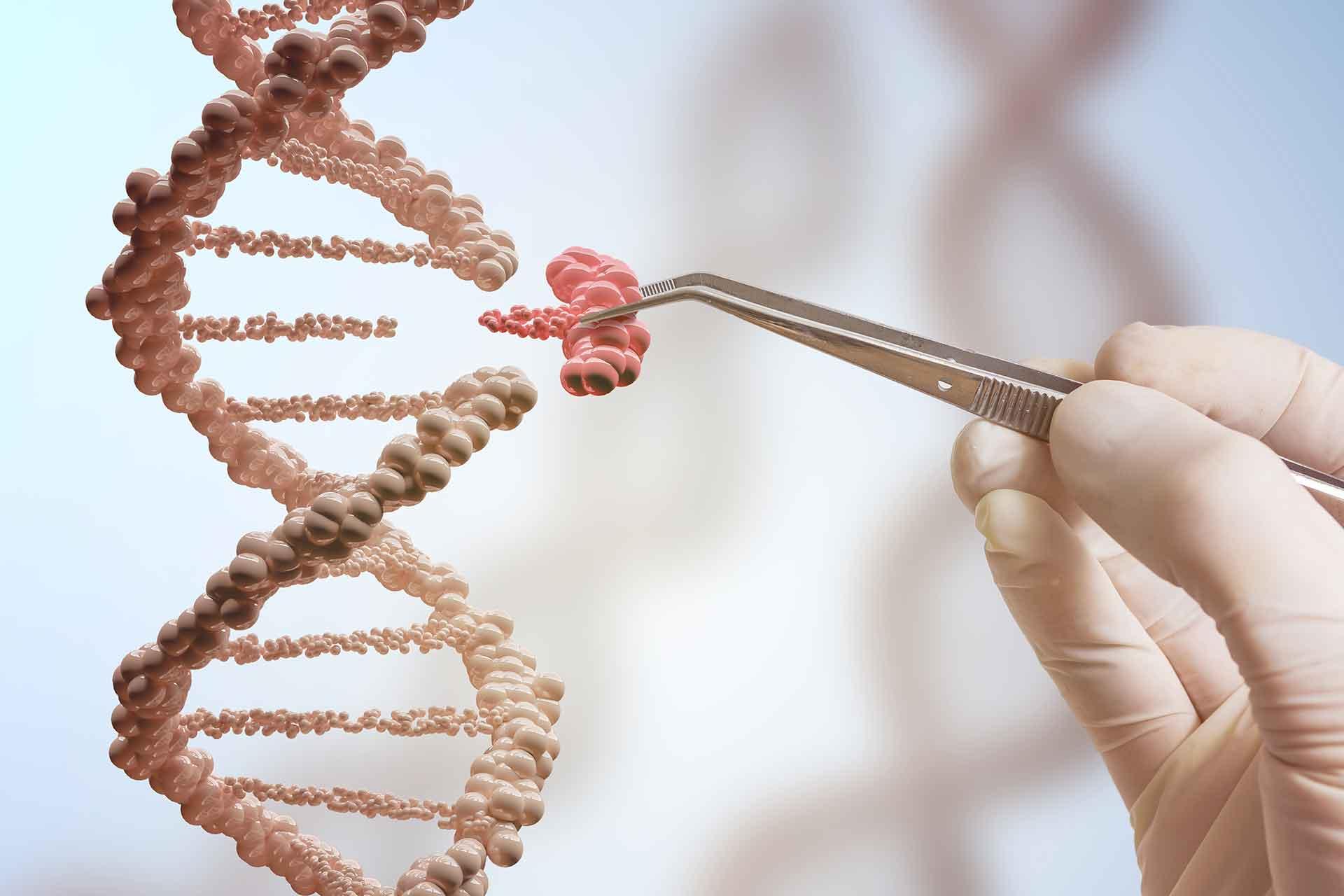
Gabriel Diagnostics constitutes the primary clinical inference layer. It ingests multi-modal inputs and serves certified clinical recommendations.
Data inputs and ingestion
- Electronic Health Records via HL7 FHIR interfaces and secured DICOM pipelines for imaging.
- Genomic and multi-omic datasets normalised to GA4GH (Global Alliance for Genomics and Health) schemas.
- Continuous biosensor streams via MQTT and gRPC from wearables and implanted nodes.
- Environmental and social determinants fed through municipal IoT APIs.
Model architecture
Gabriel runs a model mesh that blends transformer-scale language models for clinical text with convolutional and attention models for imaging. In addition, smaller causal models handle time-series telemetry. We use an ensemble strategy: multiple orthogonal models evaluate a candidate hypothesis and then undergo a meta-decision stage that outputs both a diagnosis probability and an uncertainty estimate.
Compute and inference fabric
Real-time inference runs on an NVLink-enabled GPU fabric in GMU Vision64 datacentres for heavy workloads. For edge tasks, we deploy TensorRT-optimised kernels on ruggedised inference nodes with on-device accelerators. We employ Kubernetes with device-plugin support, and use RDMA/InfiniBand for low-latency data flow when local clusters need to burst to regional datacentres.
Clinical validation and certification
All clinical models follow a rigorous lifecycle. Teams submit model bundles to a signed model registry. Each bundle contains:
- training data provenance and SBOM;
- external validation datasets and pre-registered endpoints;
- explainability artefacts and bias audits.
We align development with regulatory frameworks including FDA’s SaMD guidance, European MDR, and ISO 13485 for device quality systems. Models only enter production after passing independent verification labs and clinical safety boards.
Privacy and sovereignty
Crucially, Gabriel supports federated training using secure aggregation and homomorphic encryption for sensitive cohorts. In many jurisdictions, data never leaves national enclaves. Instead, models learn from local gradients and synchronise model deltas through zero-knowledge signed attestations.
TX-Series Medical Units — robotic caregivers and surgical support

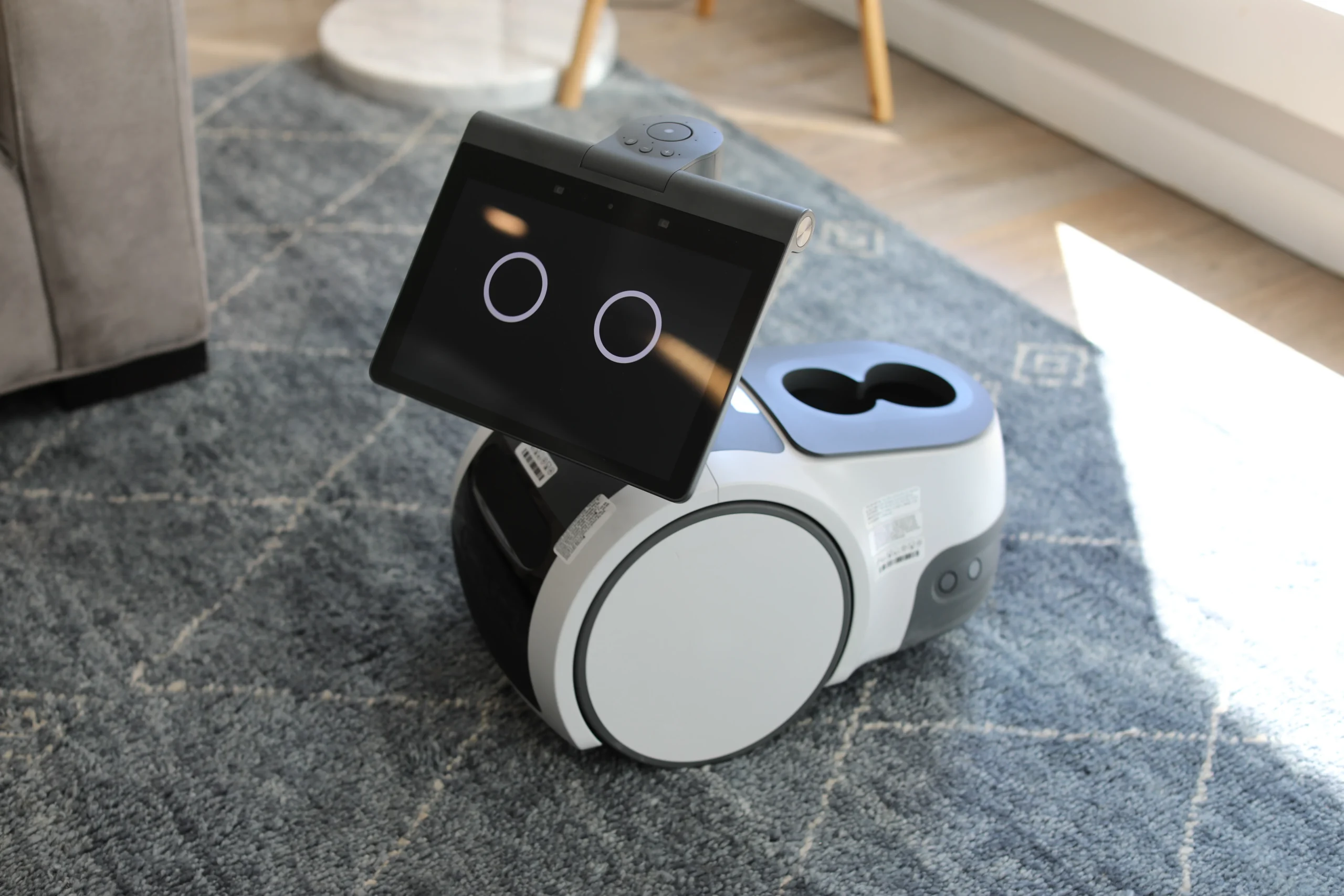
The TX family comprises clinical robots engineered for emergency response, in-home care, and OR assistance. These units operate under real-time constraints and certified safety layers.
Hardware and actuation
TX units use redundant actuation stacks with force-feedback arrays and surgical-grade manipulators. Each limb runs a real-time OS with deterministic control loops. Sensors include multi-spectral vision, time-of-flight LIDAR, haptic arrays, and medical-grade vital signal interfaces.
Perception and control
For perception, we use ROS2 with real-time extensions and safety-critical nodes separated into partitioned execution domains. Perception stacks fuse camera, ultrasound, and LIDAR data. We then apply formal verification on critical control policies to ensure safe motion under uncertainty. Path planning uses deterministic RT-A* with continual re-planning to meet IEC 60601-compliant safety windows.
Clinical autonomy and human-in-the-loop
TX robots provide levels of autonomy adjustable per clinical setting. For example:
- Triage mode: autonomous vital assessment and routing to a remote clinician.
- Assist mode: autonomous instrument handing and suturing under direct human oversight.
- Procedural mode: constrained autonomy for low-risk interventions validated by local protocols.
We prioritise “human-centred autonomy.” That means clinicians always retain override authority via verified haptic and visual channels. Moreover, every TX action emits signed audit logs for post-hoc review.
Edge inference and latency
Surgical tasks demand microsecond-scale responses. Thus, TX units perform closed-loop control and critical inference locally. Local nodes run compressed models with TensorRT acceleration. Non-critical analytics and adaptive learning occur asynchronously on Gabriel’s regional nodes.
Certification and sterilisation
TX surgical units meet IPX and MDR device hygiene standards. We implement validated sterilisation cycles and use disposable end effectors where necessary. Clinical trials and 510(k) pathways proceed in partnership with accredited medical centres.
Predictive healthcare models — digital patients and anticipatory care

United Vitalis uses predictive models to pre-empt disease and to personalise care pathways.
Digital twin and virtual cohorts
We create patient digital twins that mirror physiological and molecular state. These twins run large-scale in-silico trials to surface optimal dosing, likely adverse events, and long-term outcomes. We simulate cohorts under different interventions to prioritise candidates for adaptive trials.
Adaptive, regulator-aligned trial design
Our platform supports Bayesian adaptive trial frameworks. Gabriel runs interim analyses and recommends protocol amendments when warranted. Because all models and simulations remain auditable, regulators can inspect decision rationales. This approach shortens time-to-evidence while maintaining safety.
Population forecasting and public health
At scale, Gabriel ingests epidemiological streams and predicts near-term outbreaks. In conjunction with municipal microgrids and United Logistics, we automate pre-positioning of supplies and deploy Gabriel Pods proactively.
Remote clinics & Gabriel Pods — decentralising care
Remote access remains a central objective. Gabriel Pods act as modular clinical terminals.
Pod capabilities
Each Pod contains:
- a FHIR-connected EHR terminal and DICOM viewer;
- point-of-care labs (CLIA-equivalent) for blood chemistry and PCR assays;
- TX interface for minor procedures and tele-robotics;
- a local inference node and secure connectivity back to Gabriel.
Network and resilience
Pods use multi-path connectivity with ECMP routing and packet-level spraying to ensure redundancy. Where networks are unreliable, Pods operate in offline mode and perform queuing and secure synchronisation when connectivity returns. For extreme isolation, we support satellite backhaul and opportunistic mesh links.
Payment and access via HTC and UBUC
GMU integrates Hashtag Coin (HTC) and UBUC credits for access. HTC serves as a procurement and microtransaction ledger. For verified digital citizens, UBUC credits guarantee essential care. Importantly, financial flows and subsidies remain auditable via zero-knowledge proofs to protect patient privacy.
Supply chain and logistics
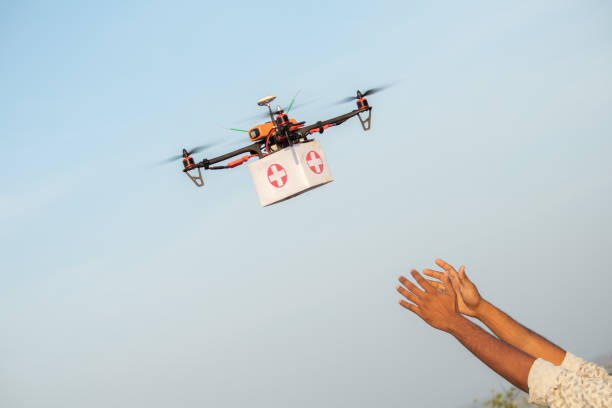
United Logistics uses AI routing, drone delivery, and modular cold chains to restock Pods within mission windows. All transactions use blockchain-anchored attestations to ensure provenance for medicines and consumables.
Post-human care — prosthetics, neuro-linkage and integrated rehabilitation
United Vitalis advances prosthetic and neuro-integration technologies as part of holistic recovery.
Neuro-linkage architecture
Our neuro-interfaces use closed-loop adaptive decoders that translate neural intent into actuator commands. We combine surface and implanted signals with machine learning decoders running locally for millisecond latency. These decoders adapt through reinforcement learning while preserving strict safety envelopes.
Biomechanical prosthetics
Prosthetics combine lightweight composite structures with embedded sensor suites. Actuation uses series-elastic actuators and compliant control for natural gait. Devices connect to Gabriel for long-term optimisation and to receive firmware updates signed and attested by our secure registry.
Rehabilitation as a continuous service
Rehab programs use gamified teletherapy with objective performance metrics. Gabriel recommends progression plans and leases robotic adjuncts when needed. Patients earn HTC credits for adherence and for participating in anonymised outcome studies.
Ethical constraints and access equality
We restrict elective enhancements and require multi-stakeholder review before any enhancement pilot. United Vitalis funds training programs so local clinicians can support prosthetic and neuro-linkage deployment, ensuring local capacity and long-term maintenance.
Governance, security and standards
We design for assurance. Key measures include:
- Regulatory alignment: ICH, FDA SaMD, MDR, ISO 13485, IEC 62304 and IEC 60601 for electrical safety.
- Secure architectures: post-quantum cryptography for model signing and QKD research pilots for inter-datacentre links.
- Auditability: signed model registries, SLSA attestations for pipelines, and immutable clinical logs.
- Privacy: federated learning, differential privacy, and homomorphic computation for sensitive analytics.
- Ethical oversight: independent review boards and community advisory panels embedded within regional deployments.
Early results and performance indicators
Pilot programmes demonstrate measurable impact. Examples include:
- A 38% reduction in diagnosis time for complex autoimmune cases in a multi-hospital pilot using Gabriel Diagnostics and TX triage.
- A 42% drop in emergency response delays where Pods integrate with municipal microgrids and drone delivery.
- A 0% intraoperative adverse-event rate in low-risk robotic assists after extending formal verification and clinical oversight.
These metrics arise from controlled rollouts and continuously feed back into model validation loops.
Deployment patterns and partnerships
United Vitalis collaborates with national regulators, academic hospitals and NGOs. Typical rollouts proceed in phases:
- Local partnership and clinical needs assessment.
- Federated data agreements and model calibration.
- Pod and TX pilot with supervised clinical operations.
- Regulatory dossier submission and wider scale-up.
We emphasise workforce development at each stage. Training programmes run in partnership with universities and vocational centres. Under Vision 64, United Vitalis commits to measurable capacity building in every region of deployment.
Our vision: Care augmented, not replaced
United Vitalis seeks a pragmatic balance. We use Gabriel AI and the TX family to expand access and increase clinical precision. Yet technology cannot replace societal values. Therefore, we pair innovation with governance, transparency, and local empowerment. By integrating standards-based interfaces, federated learning, certified robotic systems, and resilient logistics, we create a clinical fabric that scales without sacrificing safety. In that way, care meets cognition—where every life can access timely, trustworthy and humane medical attention.