How Gabriel AI, GMU logistics and Hashtag Coin (HTC) power frictionless, predictive shopping
At Great Machine United (GMU) we reimagine retail for an age of constant connectivity. Our Smart Retail Ecosystem combines Gabriel AI, Machine-made edge devices, and GMU’s global logistics to anticipate needs, eliminate checkout friction, and create new income paths for communities. In practice, this means unified shopping hubs, biometric checkout, voice-personalised recommendations and AI stylists that work together to keep homes stocked, healthy and stylish.
Unified Shopping Hubs: inventory that thinks

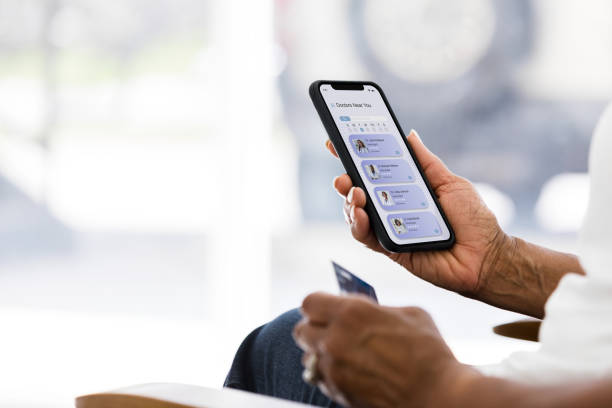
GMU’s shopping hubs link the GMU App, local micro-fulfilment centres and national supply chains. Gabriel AI analyses household usage patterns, seasonal trends and macro supply signals. Then, it predicts replenishment needs and schedules deliveries automatically.
For example, Gabriel groups hundreds of micro-subscriptions into a single replenishment window. Consequently, delivery trucks run fuller routes and local last-mile emissions fall. Moreover, customers avoid stockouts because the system orders consumables before they run low. Subscriptions remain flexible. Users may pause, scale down or swap items via the GMU App with a single tap.
Biometric checkout: walk in, walk out
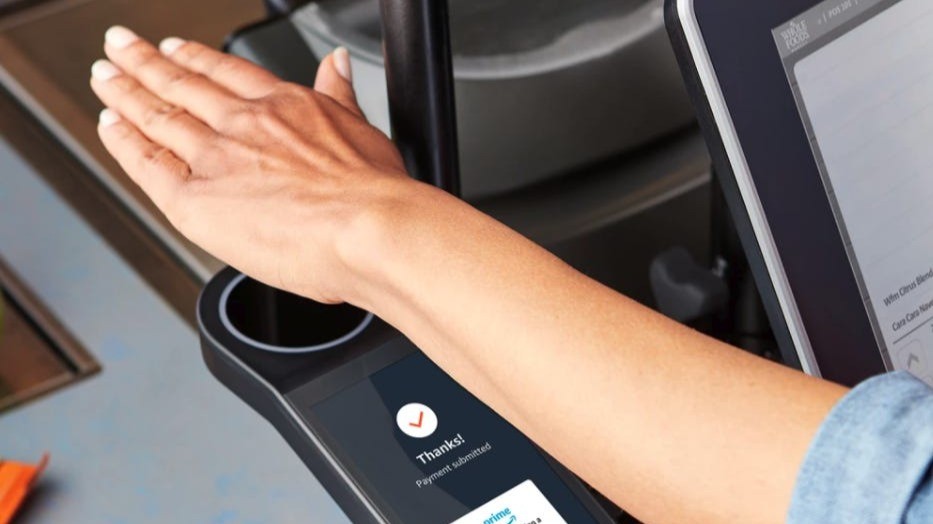
Our biometric checkout systems remove friction at point of sale. Cameras and secure biometric scanners recognise enrolled users as they enter. The system associates picked items with the customer’s account. When customers exit, Gabriel finalises the transaction and charges the linked wallet.
Crucially, we design for privacy. Biometric templates never leave the local edge node without explicit consent. In addition, users may opt for device-based tokens instead of biometric IDs. Consequently, people who prefer not to use biometrics still enjoy fast checkout.
Voice-personalised recommendations: relevance without overload
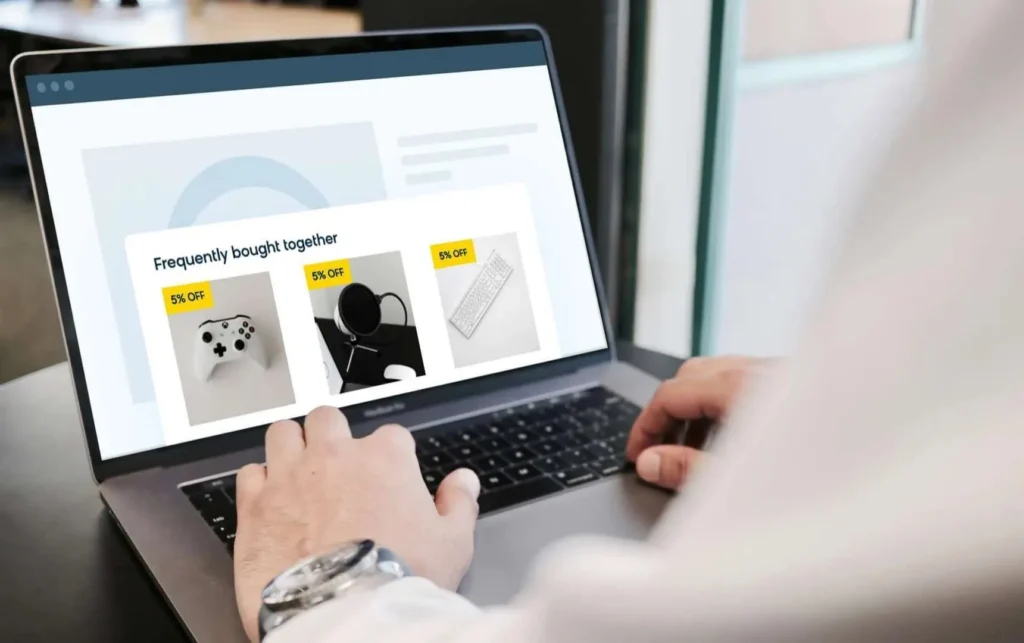
Gabriel remembers your style, health profile and dietary preferences. It analyses contextual signals — recent purchases, calendar events and pantry status — to make subtle suggestions. For instance, if Gabriel notices low iron levels in a user’s health record, it may recommend iron-rich meal kits. If you plan a weekend trip, the system suggests travel-size supplies and schedules a delivery before you leave.
Importantly, recommendations remain explainable. Users can ask Gabriel why it suggested an item, and the AI will cite data points and confidence levels. This transparency builds trust and helps customers make informed choices.
AI fashion, home and health stylists: personalised curation at scale
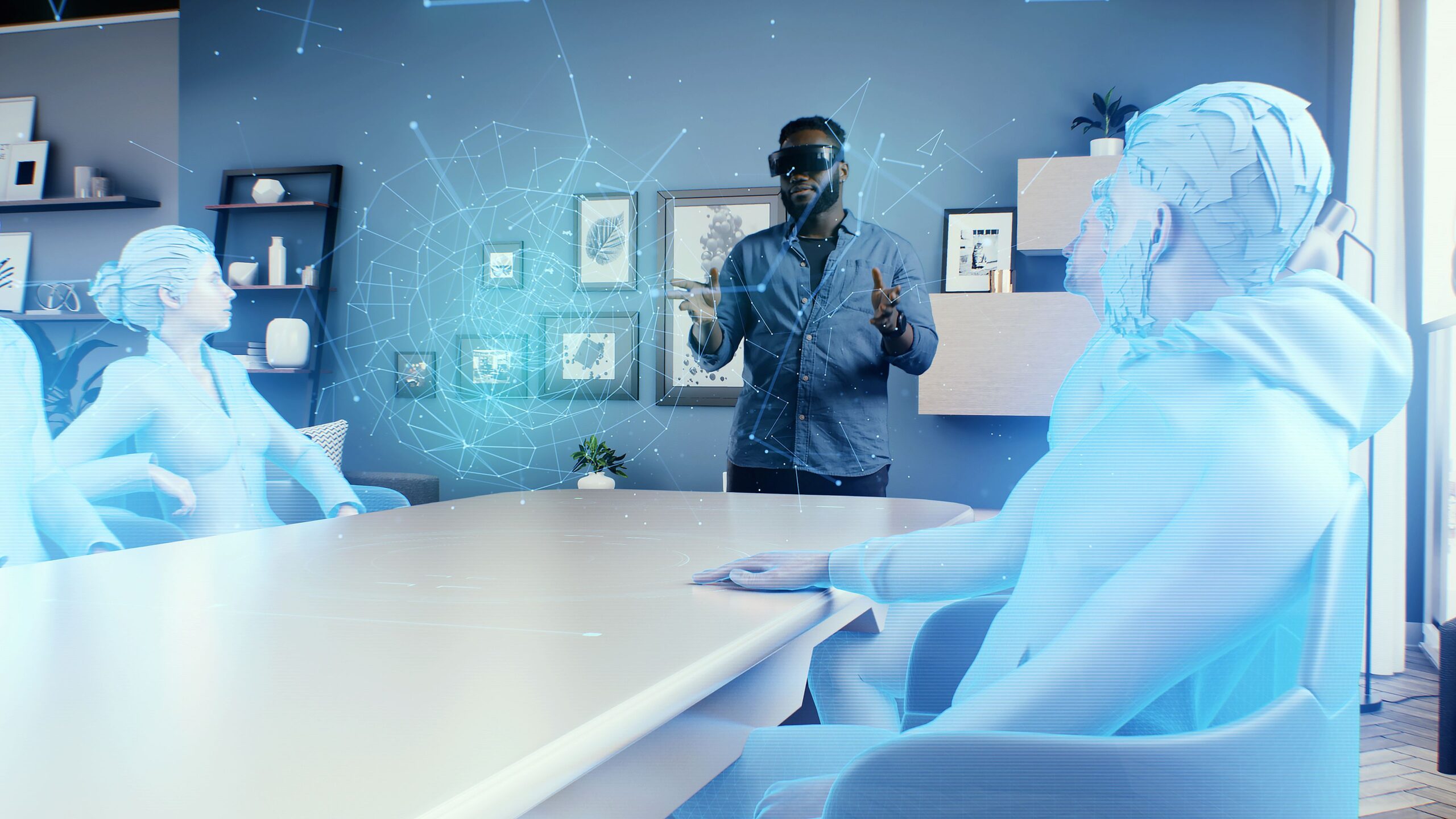
Our AI stylists blend computer vision, trend analytics and personal history to offer curated options. In fashion, Gabriel analyses body measurements captured (with consent) and matches silhouettes to a shopper’s past likes. In home design, the AI simulates how a piece will look in your room using augmented reality. In health, it recommends supplements and home-care devices aligned with your EHR insights, while respecting privacy controls.
Retail partners receive anonymised demand signals. Therefore, designers and manufacturers can test runs with lower inventory risk. For customers, that means fewer wasted items and more personalised value.
Supply chain integration and last-mile automation
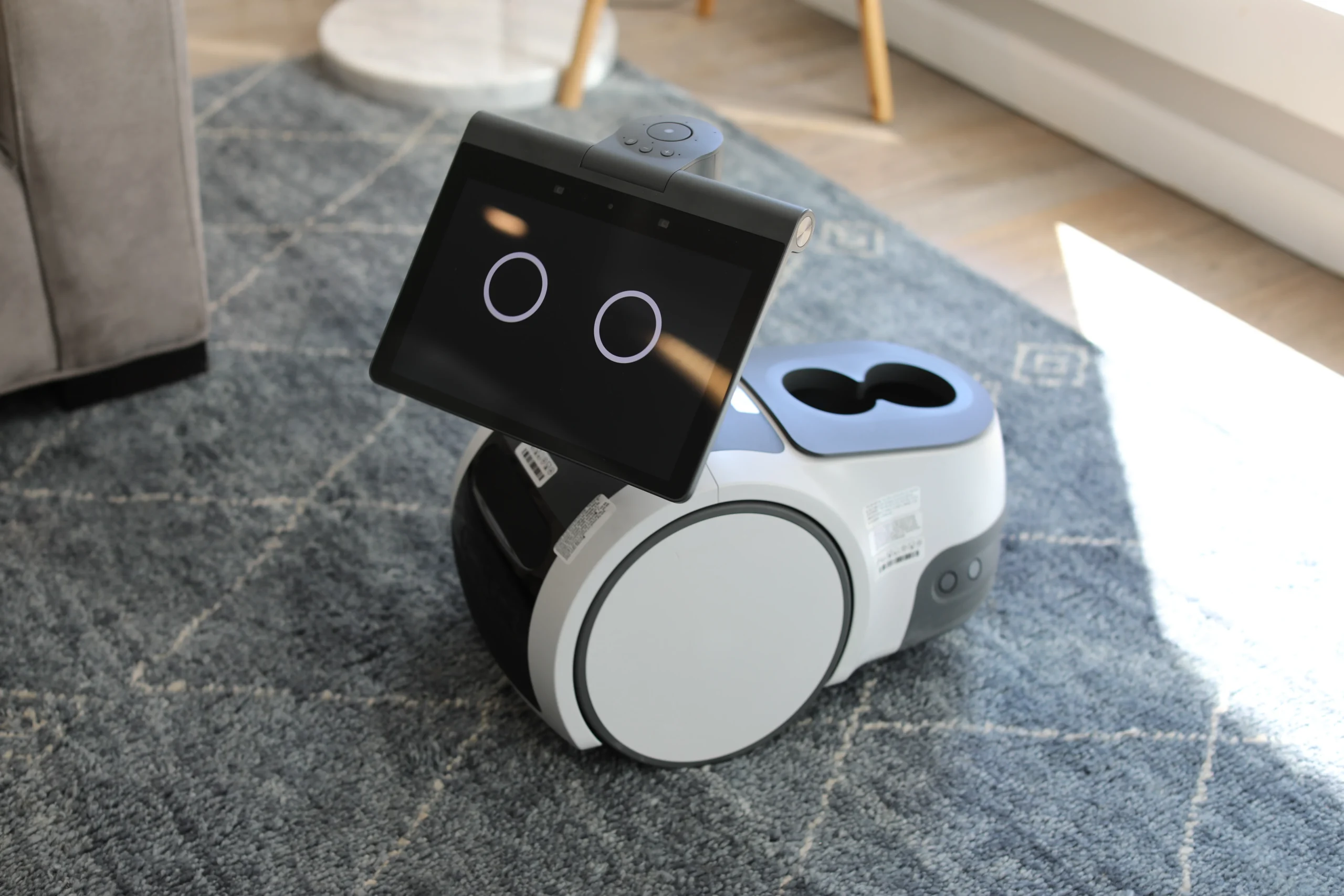
Behind the storefronts, GMU integrates Machine’s manufacturing lines, GREAT’s resource networks and our logistics fleets. We employ digital twins to model flows from factory to doorstep. Consequently, we can rebalance inventories across regions in hours rather than weeks.
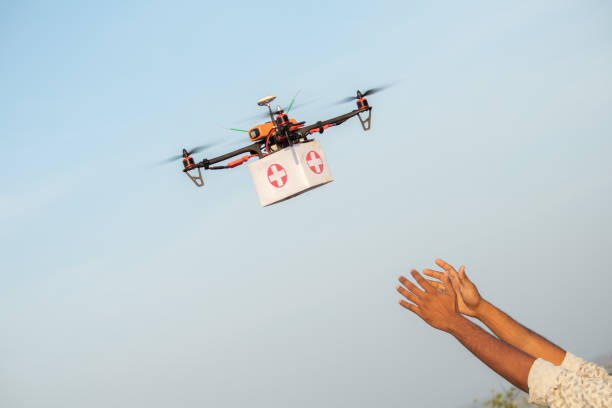
Last-mile delivery runs at 99.9% automation in pilot cities. Autonomous couriers and drone fleets execute micro-deliveries timed to user preferences. When deliveries complete, recipients earn small Hashtag Coin (HTC) rebates for participation in local circular programmes such as packaging return and recycling.
Ethical data use and user control
We tie convenience to consent. Users opt into data streams and receive clear incentives. When someone shares behavioural insights, Gabriel credits their wallet with HTC. Those tokens fund subscriptions, utility credits or bot leases. For those who withhold data, services remain functional but less predictive.
Moreover, we apply zero-knowledge proofs and edge processing to limit central exposure. This design reduces privacy risk while enabling personalisation.
Micro-entrepreneurship through the retail ecosystem
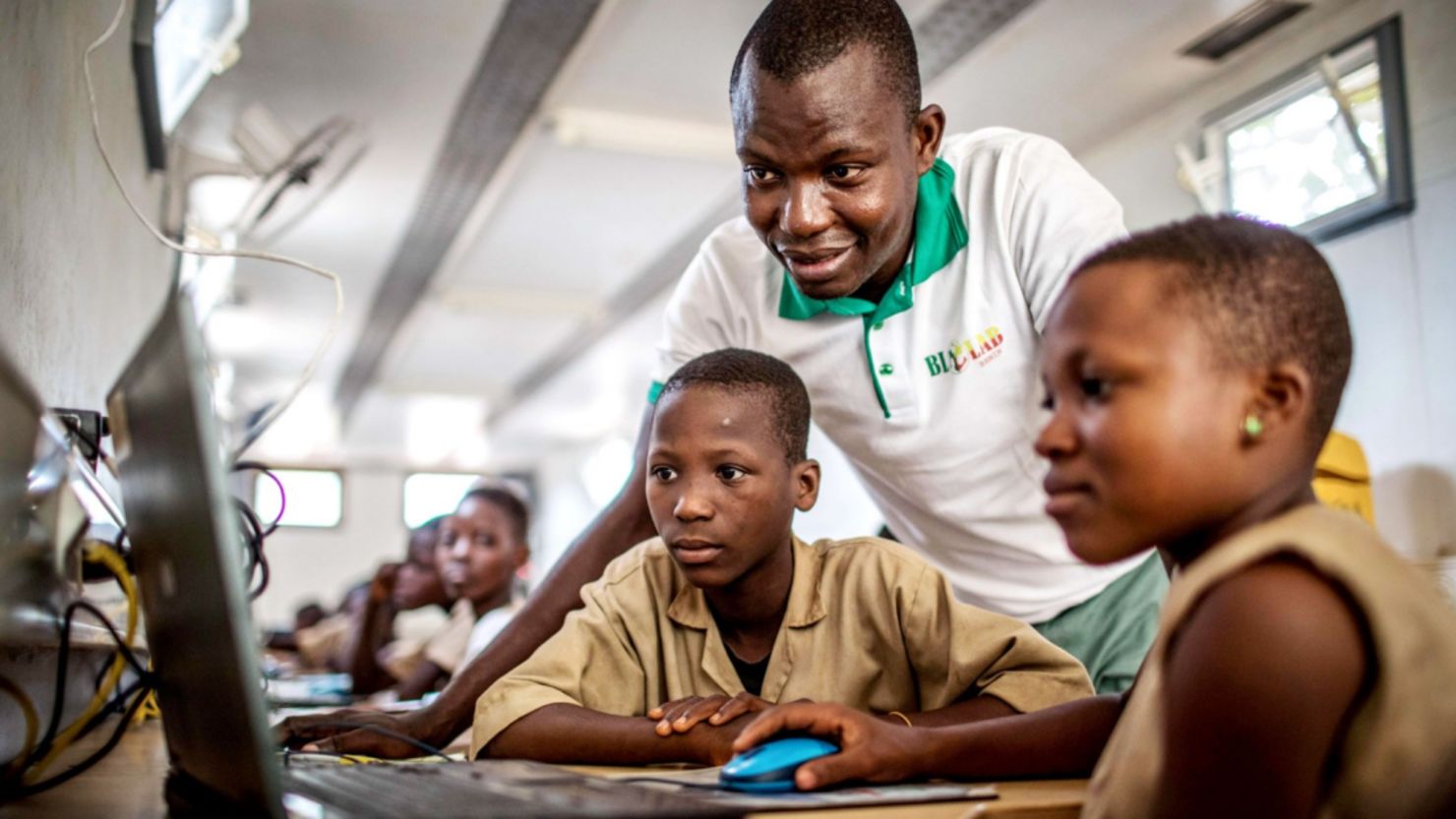
Smart Retail also creates local income. Residents may operate micro-fulfilment kiosks, run fleet maintenance bays, or lease delivery bots. GMU’s product-as-a-service model allows entrepreneurs to acquire robots with low-cost HTC micro-leases. Gabriel optimises fleet schedules to maximise utilisation and returns.
Consequently, the retail network pumps value into local economies instead of siphoning it off.
Real results from pilots
In recent pilots, GMU saw a 28% reduction in food waste thanks to demand forecasting. Likewise, average delivery times fell by 35% after integrating hub-level digital twins. Customer satisfaction scores rose where biometric checkout and voice recommendations combined. Meanwhile, participating communities reported small but steady HTC income from bot leasing and recycling rebates.
How to join a Smart Retail hub
Municipalities, retailers and service providers can apply to pilot the Smart Retail Ecosystem through the GMU United Hub portal. We provide technical kits, integration APIs, and governance playbooks. Gabriel’s edge modules install in weeks, and micro-fulfilment modules scale in stages.
GMU’s Smart Retail Ecosystem turns retail into a service platform. By combining Gabriel AI, robust logistics and HTC incentives, we deliver convenience that pays back to communities. In short, you get what you need before you need it — and your neighbourhood benefits when you do.