A world without poverty, by 2064
Vision 64 is Great Machine United’s long-term blueprint for shared prosperity. It pairs Gabriel AI’s predictive intelligence with Hashtag Coin (HTC) and physical infrastructure to create self-sustaining local economies. In practice, Vision 64 guarantees every compliant, verified citizen access to AI-managed income opportunities, robotic labour tools, and basic services funded by Universal Basic Utility Credits (UBUC) — all underpinned by HTC and real commodity reserves.
Below we explain how Vision 64 works, why it matters, and how communities move from dependence to durable economic autonomy.
How Vision 64 delivers guaranteed utility and income

First, GMU issues UBUC accounts to verified digital citizens in pilot regions. UBUC cover essential services: electricity, basic healthcare, and digital access. In turn, HTC backs the system. Because HTC ties to commodities registered on the London Metal Exchange, UBUC stakes rest on tangible value rather than pure speculation.
Second, Gabriel AI coordinates local supply and demand. It forecasts energy availability, schedules robotic labour, and matches residents with income-generating tasks. Consequently, households receive predictable utility credits and targeted opportunities to earn additional HTC through micro-work, leasing bots, or participating in community services.
Practical mechanics — from tokens to tools
For example, in a coastal pilot region:
- Residents receive a baseline UBUC allocation covering three essential services per month.
- Gabriel AI identifies short-term demand spikes — such as urgent sanitation runs or night-time greenhouse watering — and offers micro-contracts to local operators.
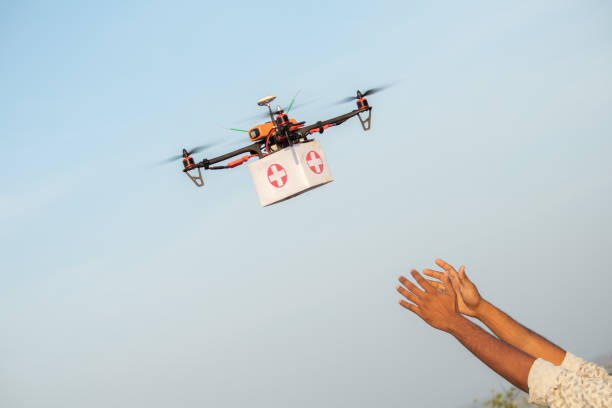
- Citizens lease compact service robots (cleaning, delivery, irrigation) for short periods via HTC micro-leases. They operate those robots, earn HTC for completed jobs, and use their earnings to top up UBUC or invest in training.
Thus, the model converts daily activity — including maintenance tasks and microservices — into recurring value. Moreover, it recirculates wealth locally instead of channeling it away.
Replacing broken aid models with self-regenerating autonomy
Traditional aid often creates one-off gains that fade once funding ends. Conversely, Vision 64 seeds income streams that regenerate. For instance, a community microgrid sells surplus energy into nearby markets during peak hours. Those proceeds fund UBUC top-ups and maintenance, creating a renewal loop. Similarly, tokens earned via robot services feed local cooperatives, which then finance new equipment and training.
Therefore, projects become financially sustainable and less reliant on external donors.
Education tracks: moving people from subsistence to entrepreneurship

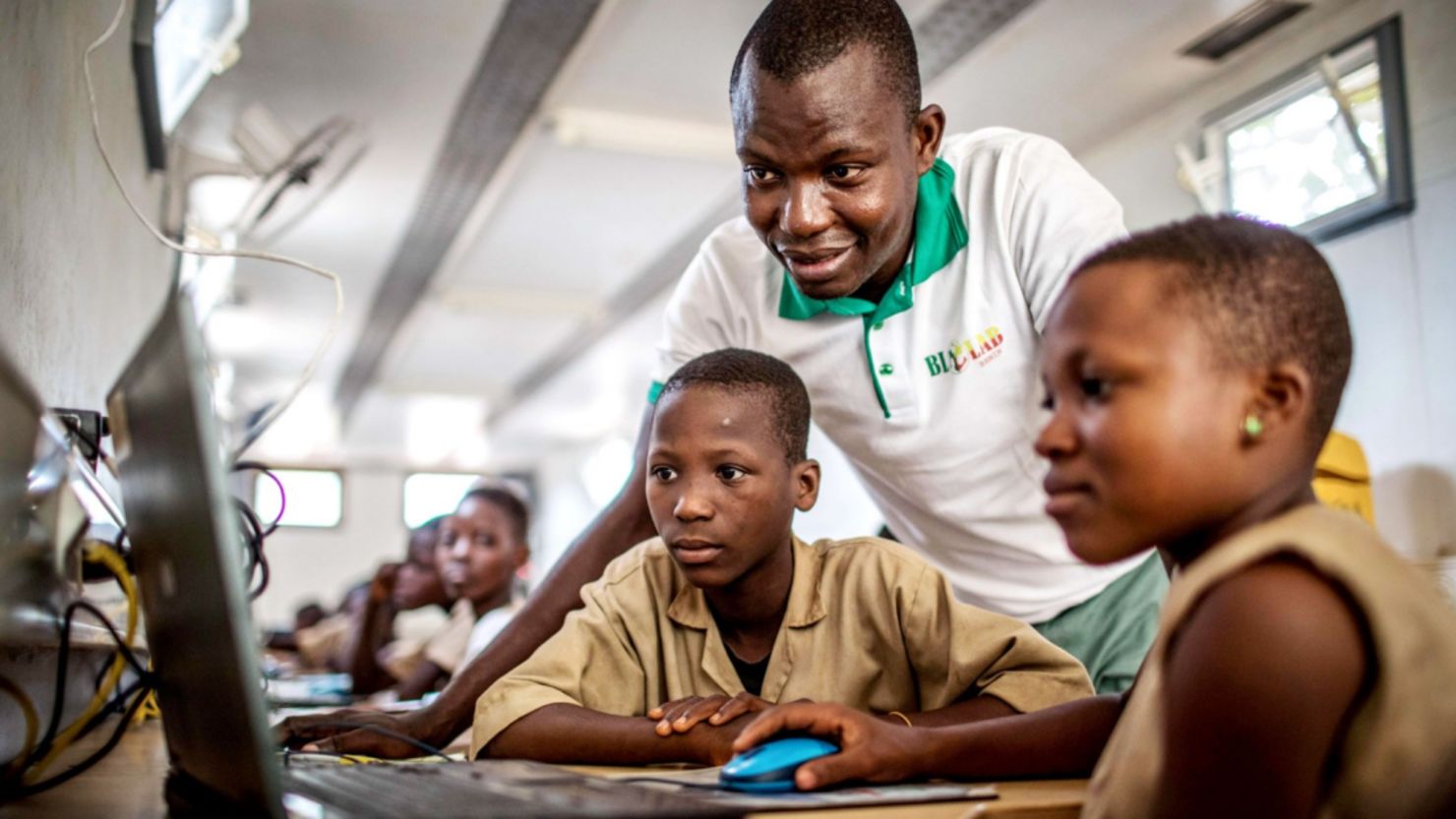
Education forms the bridge from safety to prosperity. Gabriel AI runs personalised learning tracks that adapt to local job markets. Students progress from basic digital literacy to robotics operation, maintenance, and small-business modules. As they advance, Gabriel suggests product and service ideas with high local demand and links learners to micro-leases for the hardware they need.
Consequently, citizens can scale from earning small HTC amounts to running microenterprises that supply city-wide services. Over time, these enterprises absorb local labour and keep economic value in the community.
Robot leasing and product-as-a-service (PaaS) economics

Vision 64 treats advanced hardware as shared infrastructure. GMU supplies fleets of modular robots through PaaS contracts. Residents or cooperatives lease units with short-term HTC payments. Gabriel assigns tasks, optimises fleet utilisation, and ensures preventive maintenance.
This model lowers the entry barrier: people access powerful tools without large upfront costs. Additionally, revenue from leased robots flows back into local repair hubs and training schools — closing the loop between technology and human capital.
Governance, transparency and risk management
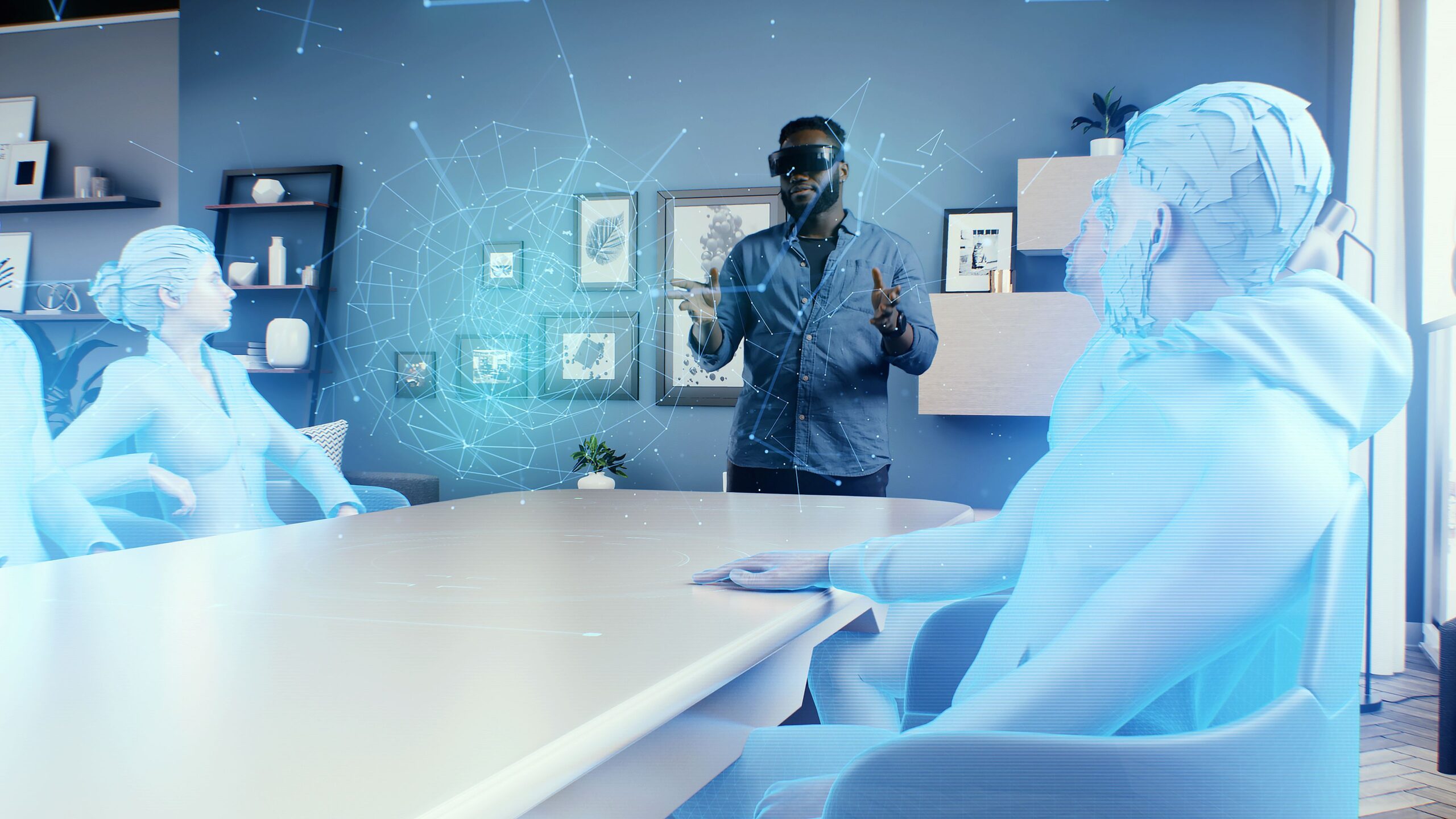
We design Vision 64 around local governance. Each deployment starts with a participatory planning phase. Then, community oversight boards decide UBUC rules and robot-use policies. Gabriel AI runs transparent dashboards so boards track service uptime, HTC flows and environmental metrics in real time.
Furthermore, we implement strict privacy safeguards. Data sharing remains opt-in. Zero-knowledge proofs and encrypted ledgers verify transactions without exposing personal details. Independent audits evaluate performance and compliance quarterly.
Early pilots and measurable outcomes
Pilot projects show promising results. For example, in West Africa and coastal Ghana pilots:
- UBUC eliminated energy arrears for participating households.
- Robot leasing programmes created measurable income streams within 60 days.
- Gabriel-guided education tracks doubled the rate of certified technicians entering the local workforce.
These pilots also highlight important lessons: data quality matters, community governance must be strong, and token economics require careful calibration to avoid short-term speculation.
Scaling responsibly — the pathway to 2064
Vision 64 scales through modular, repeatable building blocks: microgrids, edge compute, digital twins, and robot fleets. For each new site, we follow three stages:
- Assess & design: map needs, local markets and regulatory requirements.
- Deploy & train: install infrastructure, launch UBUC and start education tracks.
- Handover & grow: transfer operations to local entities and expand services through reinvested HTC.
Importantly, we prioritise interoperability and open APIs so local developers can build adjacent services. This avoids vendor lock-in and fosters local innovation.
Why this matters now
Rising commodity demands, climate stress and automation risks make inclusive economic design urgent. Vision 64 does not promise a quick fix. However, by combining stable token backing (HTC), Gabriel AI’s predictive orchestration, and hands-on local governance, we can create systems that deliver basic security and a clear path to entrepreneurship.
In short, Vision 64 maps a pragmatic route from subsistence to autonomy. By 2064, GMU aims to transform safety nets into self-renewing economies — where verified citizens not only survive, but build lasting prosperity.