Turning high-density neighbourhoods into clean, connected, productive urban ecosystems
At Great Machine United (GMU), we design cities that serve people first. Through United Commons, Gabriel AI and Vision 64, we transform high-density informal settlements into resilient, automated communities. Our aim is straightforward: provide safe homes, reliable services and new income streams so residents can thrive.
From informal blocks to clean, green neighbours
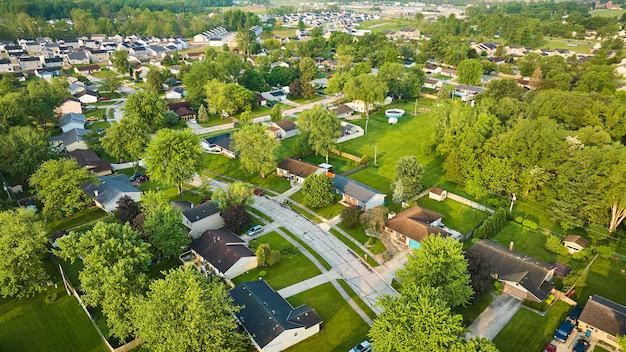
Many dense urban communities lack basic services: intermittent power, unreliable water, poor waste collection and few jobs. GMU tackles these gaps directly. First, we audit local needs with lightweight sensors and community consultations. Then, we deploy compact microgrids, modular water systems, automated waste collection and edge data hubs that connect schools and clinics.
Consequently, streets become cleaner and homes gain steady power. For example, a pilot in West Africa replaced informal dumps with sealed smart-bins that sort recyclables automatically. Gabriel AI coordinates collection routes to minimise truck mileage and emissions. As a result, neighbourhood air quality improved and litter fell by over 70% within three months.
Gabriel AI runs the city’s nervous system
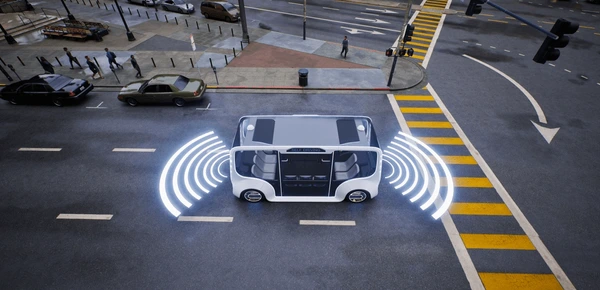
Gabriel AI acts as the city’s operating system. It links energy, water, waste, health and education into a single, responsive platform. Real-time telemetry flows into Gabriel from distributed sensors and digital twins. Then, the AI optimises flows: it shifts non-urgent energy use to renewables, reroutes water during peak demand and schedules sanitation teams when needed.
Moreover, Gabriel enables predictive maintenance. Instead of waiting for pumps or solar inverters to fail, operators receive precise alerts and parts arrive before outages occur. This reduces downtime, cuts repair costs and keeps critical services online.
Digital twins: simulate before you build
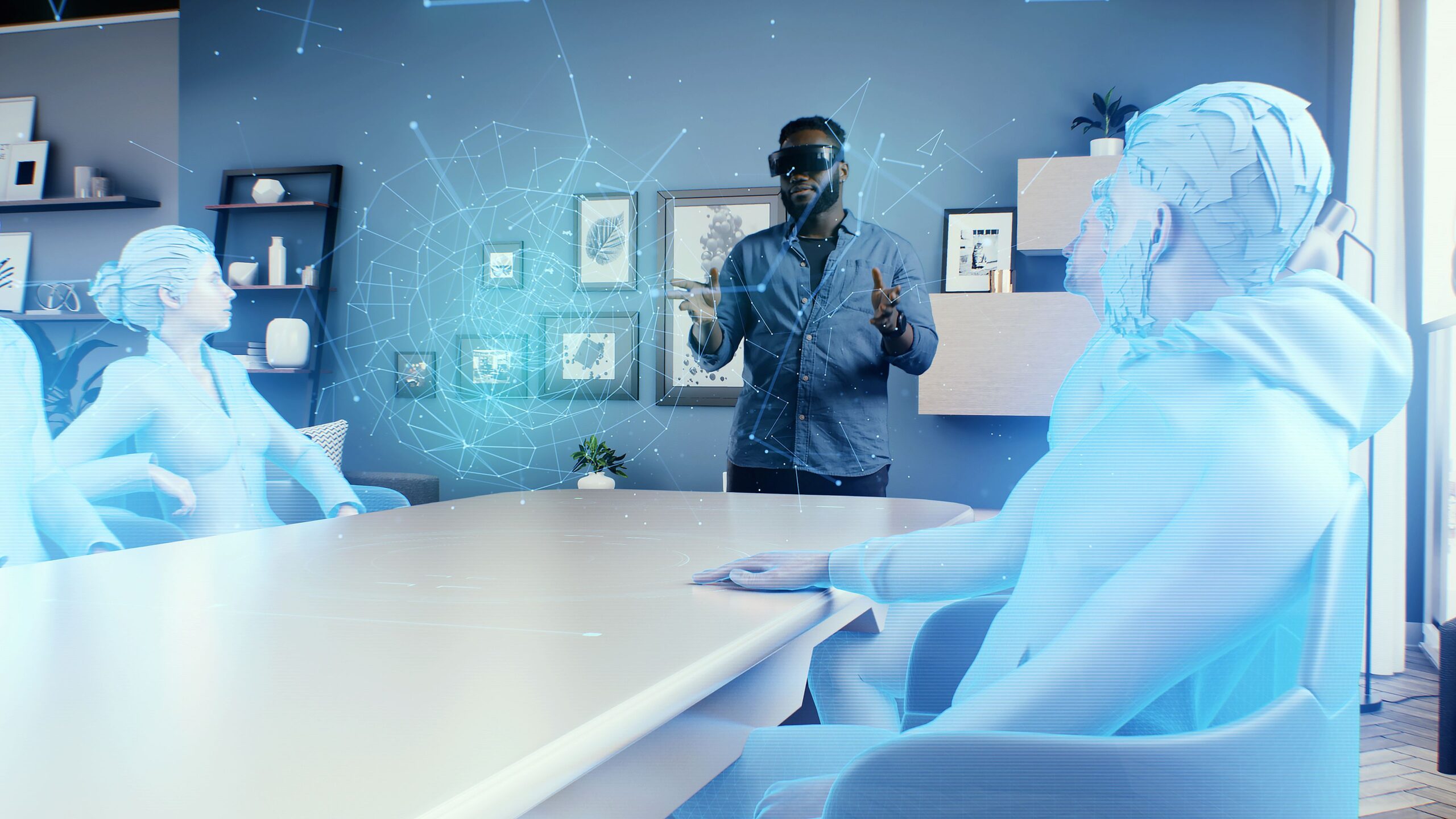
Before we change concrete, we simulate solutions. Digital twins mirror streets, buildings and networks in high resolution. Planners test drainage, traffic and energy scenarios safely and quickly. In one South Asian pilot, a twin helped redesign a narrow laneway so emergency vehicles could pass while preserving local vendors’ stalls. The change increased access without displacing livelihoods.
Therefore, digital twins accelerate smart upgrades while protecting communities’ social fabric.
Microgrids, edge compute and sovereign connectivity
We pair rooftop and community microgrids with compact data centres at the neighbourhood level. This hybrid model keeps essential services local and resilient. When a grid fault occurs, Gabriel routes power from batteries and nearby solar arrays. Meanwhile, edge compute runs education platforms and local telemedicine, even when wider networks stall.
Importantly, we design systems for sovereignty. Data stays local by default. Communities retain oversight via transparent dashboards and a governance board. GMU provides training so residents manage the systems themselves.
New income for citizens — lease, operate, earn HTC

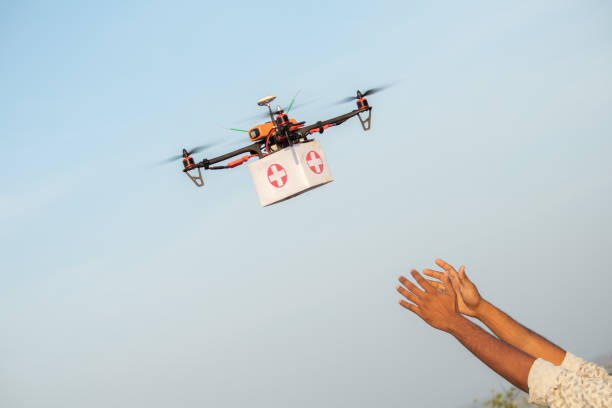
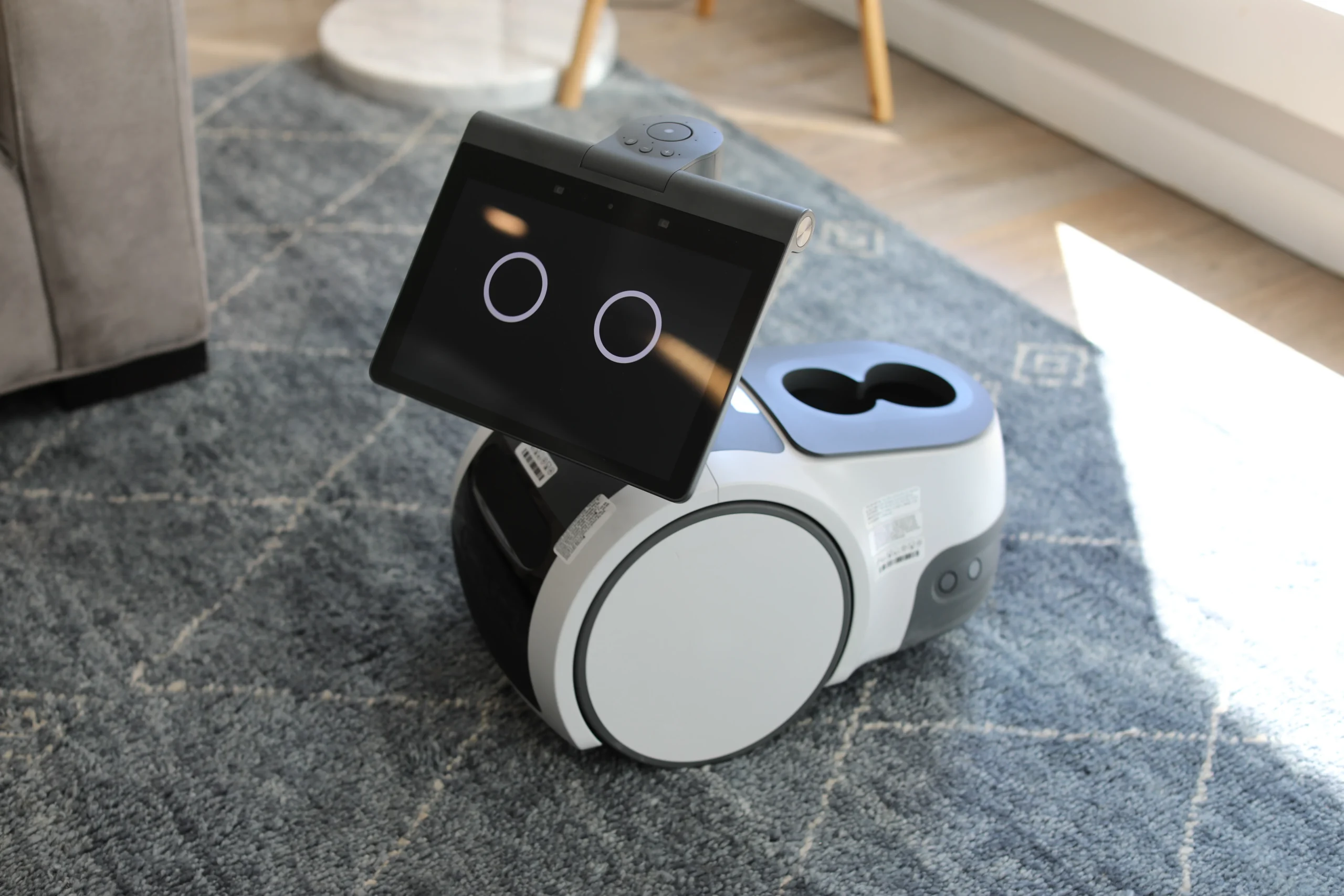
Smart cities can generate livelihoods. We supply small service robots for delivery, cleaning and gardening. Residents lease these bots and operate micro-services — last-mile deliveries, community irrigation, kiosk retail — earning Hashtag Coin (HTC) credits for completed tasks.
Consequently, a homeowner can rent a bot for a week and earn HTC that pays for electricity, water credits or school fees. Local cooperatives manage fleets and set fair usage rules. In pilot zones, families reported a measurable income lift within two months of bot deployment.
Education, health and local entrepreneurship
Connected neighbourhoods gain access to AI-assisted learning and telemedicine. Gabriel powers adaptive curricula that fit pupils’ needs. Clinics use AI triage and EHR tools to speed diagnostics. Simultaneously, GMU funds micro-grants and training for local entrepreneurs to build small businesses that support the smart city — from solar technicians to app developers.
Thus, the ecosystem multiplies benefits: better services, new skills and more jobs.
Governance, privacy and ethical design
We build with consent and strong privacy protections. United Commons uses zero-knowledge proofs and blockchain anchors to verify transactions without exposing personal data. In addition, each project installs a community oversight board. Residents receive transparent usage reports and can veto changes that affect daily life.
Further, GMU commits to handover. After systems stabilise, we transfer operational control and training to local institutions. This ensures long-term sovereignty and prevents vendor lock-in.
Measurable outcomes — scalable, repeatable, local
Our pilots show clear gains: cleaner streets, steadier power, faster emergency response and new local income streams. More importantly, the model scales. We standardise modular hardware, open APIs, and governance toolkits so municipalities can replicate success quickly and affordably.
How to start a Smart City transformation
If you represent a municipality, cooperative or community group, begin here:
- Request a feasibility review from United Commons.
- We run participatory planning sessions and technical audits.
- We deliver modular infrastructure in stages, train local teams and enable community governance.
Visit the United Commons portal to learn more or submit a request.
Our promise
Smart Cities for All does one thing simply: we design cities, so people keep the benefits. By combining modular infrastructure, Gabriel AI orchestration and HTC-driven local economies, we make high-density urban living safe, green and productive. In short, we build homes — and we build livelihoods.