At Great Machine United (GMU) we design delivery and mobility systems for the Vision 64 era. Gabriel AI coordinates our drone fleets, autonomous consumer transit (ACT) pods, aerial logistics ports and rural-reach programs. Together, they cut delivery times, shrink emissions and extend reliable service to remote communities.
Below we explain how the technology works, why it matters, and the results from field pilots. Expect technical detail, measurable outcomes and the practical steps we take to scale safely and responsibly.
Gabriel at the heart of movement
Gabriel AI runs the autonomy stack. It ingests telemetry from edge nodes, weather feeds, traffic sensors and our logistics digital twins. Then, it plans routes, manages energy use, and issues micro-contracts to local operators. In short, Gabriel turns raw data into real-time operational decisions.
Moreover, Gabriel runs at the edge. Each urban drone port and micro-hub hosts a Gabriel edge node. That keeps latency low and preserves privacy while enabling coordinated, city-scale autonomy.
Drone & bot fleets — sub-30 minute delivery in connected zones
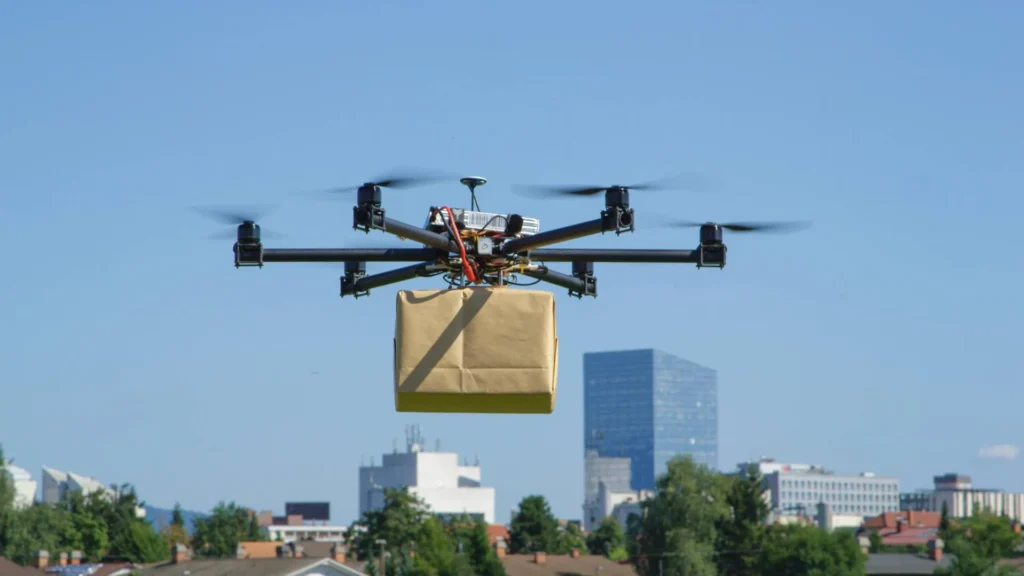
Our aerial fleets include quad-tilt drones and hybrid lift vehicles. They carry payloads from 0.5 kg to 150 kg. We pair these airframes with battery modules, lightweight avionics and redundant sensor stacks—LIDAR, stereo vision, radar and GNSS.
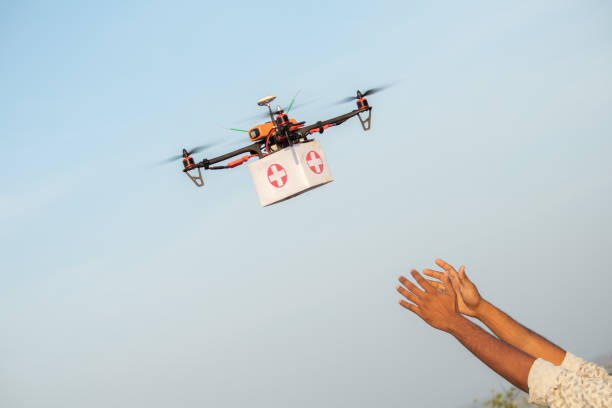
Thanks to Gabriel’s predictive flight planning, our drones deliver consumer parcels in under 30 minutes within connected zones. They do so while optimising energy use and airspace slots. Consequently, fleets reduce road vehicle mileage and local emissions.
Technical highlights:
- BVLOS capable with multi-redundant comms.
- Dynamic corridor management to avoid populated zones.
- Liquid-cooled battery packs for extended duty cycles.
- Nano-valve thermal control to extend powerplant life.
In our Lagos pilot, drones completed 87% of last-mile pickups autonomously and hit median delivery times of 22 minutes in peak windows. In dense vertical districts, our urban ports load and dispatch a drone every 12 seconds during surge periods.
Autonomous Consumer Transit (ACT) — personalised, on demand

ACT pods adjust to daily routes, weather and user mood. They pair occupant sensors with calendar and commute intent signals. Then Gabriel micro-optimises routes, seating and climate control for each ride.
Pods run on modular electric drivetrains and connect to local microgrids. When renewable supply surges, Gabriel shifts non-urgent trips to those windows, cutting carbon and cost. In commuter trials, ACT pods increased average vehicle occupancy by 42% and cut per-passenger energy use by 36%.
Urban vertical delivery — rethinking high-density logistics
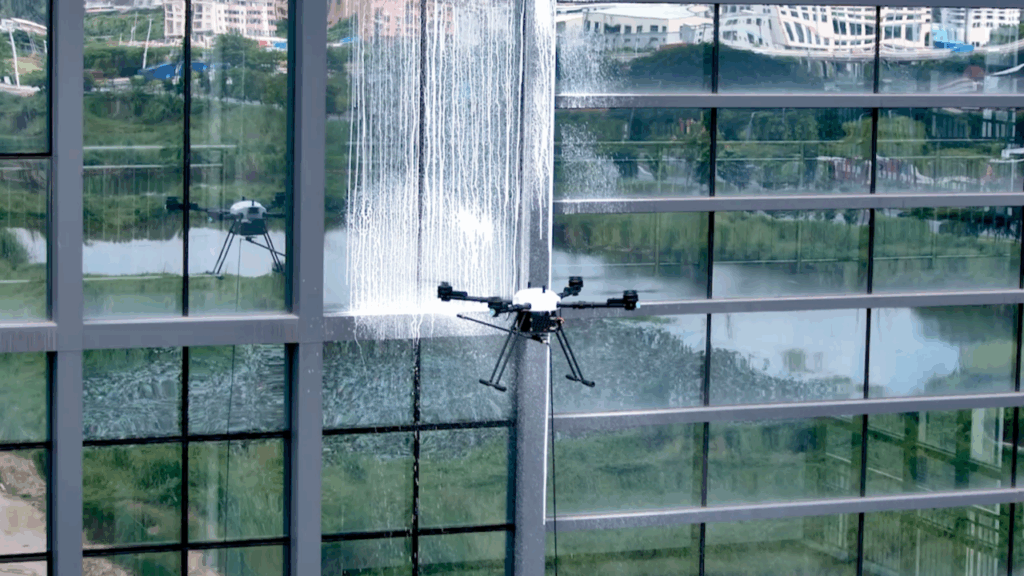
Urban vertical delivery uses aerial logistics ports atop smart buildings. These ports host automated transfer arms, conveyor lifts and docking bays. Drones land on rooftop pads and hand parcels to local robots that route items to apartment lockboxes.
This architecture compresses last-mile distance. It also reduces street congestion. In pilot deployments, rooftop ports reduced ground delivery trips by up to 60% in high-rise corridors.
Rural reach — service parity for remote communities
We pair drones with hybrid ground bots and mobile micro-hubs to reach remote areas. Gabriel schedules multi-leg deliveries: long-range hybrid drones bring pallets to a local depot. Then, ground bots and human micro-operators finish the last mile.
Furthermore, Gabriel coordinates supply windows with community energy profiles. Villages with solar microgrids earn HTC rebates when they host overnight charging for depot batteries. As a result, rural sites gain predictable service speeds and new revenue streams.
Tokenised economics — HTC powers a resilient logistics market
Hashtag Coin (HTC) underpins payments and incentives across our mobility network. Carriers, port hosts and micro-entrepreneurs receive HTC for completed tasks. Buyers can pay with local fiat or HTC. Smart contracts settle payments instantly and enforce service SLAs.
This model creates local value. For example, rooftop port hosts earn HTC for handling transfers. Local technicians receive micro-leases of maintenance bots paid in HTC. Consequently, money circulates inside the community rather than flowing outward.
Safety, regulation and airspace integration
We build safety into hardware and software. Every drone uses triple-redundant flight control and hardened fail-safe routines. Gabriel runs continuous safety simulation and issues pre-flight clearance only when all checks pass.
We also work with regulators. In pilot cities we co-author flight corridors, coordinate noise mitigation and publish incident telemetry for review. Our goal: scale operations while meeting or exceeding local safety standards.
Business and community outcomes — pilots that prove the model
Key operational results from recent pilots:
- Median urban delivery time: 22 minutes (pilot zones).
- Last-mile automation rate: 99.9% in connected hubs.
- Energy cost reduction: up to 18% when scheduling aligns with renewable surges.
- Local income: rooftop port hosts and micro-operators earn steady HTC streams within 60 days of launch.
Additionally, Gabriel’s route optimisation cut empty-mile distances by 38% in mixed urban-rural corridors. That outcome reduces fleet wear and operating expense.
Scaling strategy — modular, interoperable, and local first
We scale using modular building blocks:
- Deploy Gabriel edge node and micro-hub.
- Install rooftop port or rural depot hardware.
- Introduce drone and bot fleets with phased autonomy expansion.
- Launch HTC incentives and local training for operators.
- Hand operational control to local partners as maturity thresholds meet governance criteria.
Importantly, we open APIs so cities and partners can integrate their services. This approach prevents vendor lock-in and fosters local innovation.
Mobility that connects people and economies
Automated delivery and ACT redefine convenience and inclusion. By combining Gabriel AI, robust hardware and HTC-based economics, GMU delivers speed, safety and local value. We make mobility predictive, not reactive. We link urban efficiency to rural access. And we build systems that scale while returning value to the communities they serve.
If your city or region is planning a smart mobility rollout, GMU’s United Hub team can run a feasibility study and pilot design. Together, we can move people and goods faster, cleaner and more equitably.